
A Practical Guide to Beauty Packaging Materials

The right packaging material is not simply the one that looks best. It is the one that works best for your product, your brand, and the experience you want to create.
The material you choose can influence the weight of the package, its appearance, how consumers interact with it, its compatibility with the formula, and what happens to it at the end of its use. Research on cosmetic packaging shows that packaging has to balance product protection, compatibility, filling requirements, user convenience, brand image, and environmental considerations.
So when you are comparing PET, PP, Glass, and PE, the question should be: “Which material is the right fit for this product?”
PET (Polyethylene terephthalate)
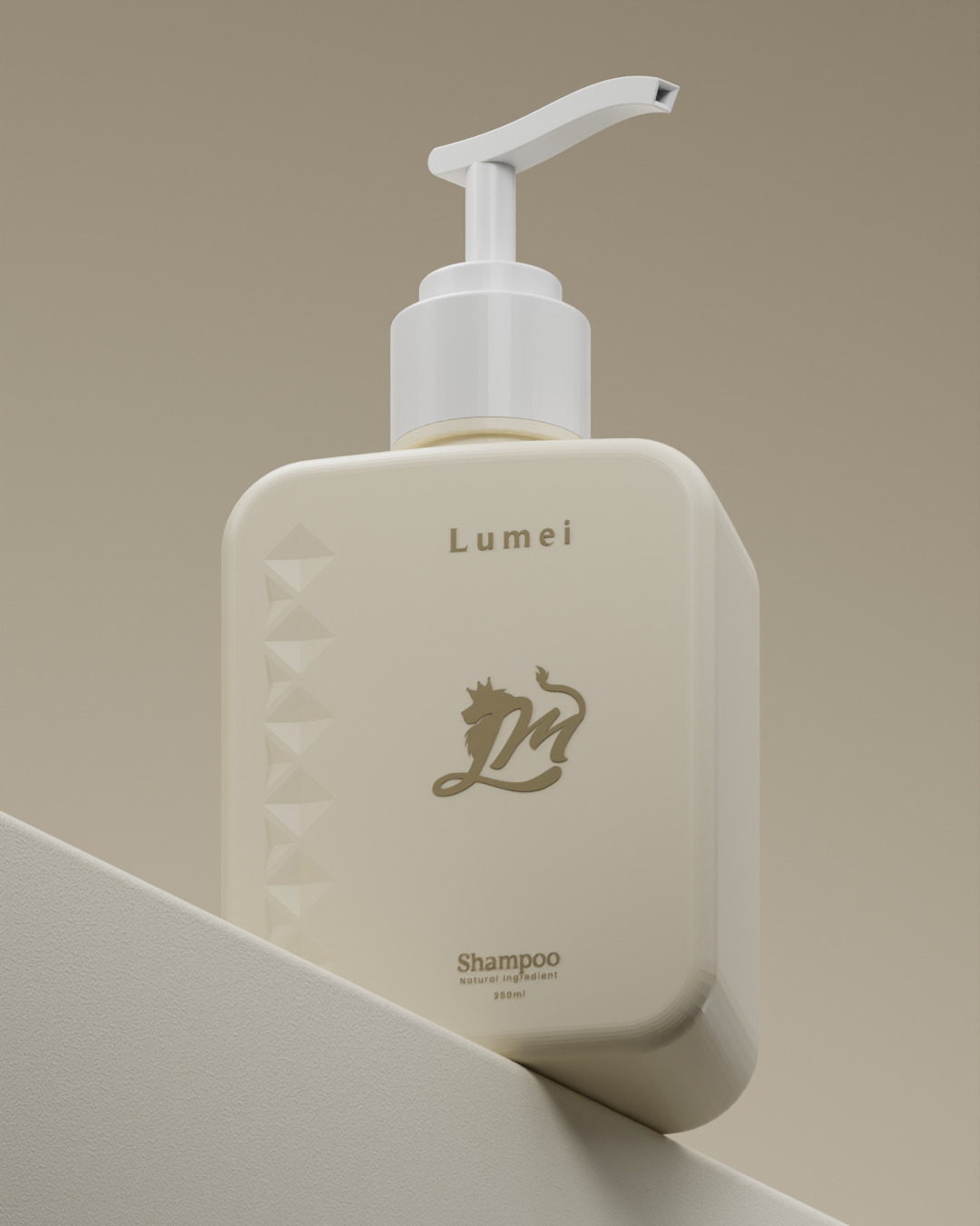
PET, or polyethylene terephthalate, is widely used for beauty packaging, particularly bottles. One of its key advantages is the combination of relatively low weight, strength, and transparency, making it suitable for brands that want product visibility without using glass.
This makes PET a practical option for products such as skincare, haircare, and body care, where the packaging needs to be lightweight and easy to handle while still providing a clear view of the product.
PET also offers flexibility in appearance. Depending on the packaging design, it can be produced with clear or solid visual effects, allowing brands to create different looks without changing the fundamental material.
However, choosing PET should go beyond its appearance. The packaging still needs to be assessed against the formula, closure, filling process, decoration, and intended consumer use. Research on cosmetic packaging highlights that compatibility between the product and its container is an important consideration during packaging development.
PP (Polypropylene)
PP, or polypropylene, is another widely used polymer in cosmetic packaging. It can be found in jars, making it particularly useful when functionality and manufacturing flexibility are important.
For beauty products, PP can be used for creams, body scrubs, masks, balms, and other products that require a wider opening. Its properties also make it suitable for injection-moulded packaging components, allowing brands to develop different shapes and component designs. But PP is not automatically the right choice simply because a product uses a jar. The packaging needs to work as a complete system. The product formula, wall thickness, closure, dispensing experience, decoration, and manufacturing requirements can all influence the final specification.
This is why material selection should happen together with packaging development rather than being treated as a separate design decision.

Glass
Glass creates a noticeably different packaging experience from plastic. Its weight, transparency, tactile quality, and potential for decoration and finishing can make it valuable when the packaging itself plays an important role in how a product is perceived. Research on cosmetic packaging also highlights glass for its chemical stability, impermeability, and design possibilities.
This can be particularly relevant for fragrance and premium beauty products, where the bottle can become part of the brand identity rather than simply functioning as a container.
At the same time, glass comes with practical considerations. It is heavier than many plastic alternatives and is more susceptible to breakage. These factors can affect transportation, handling, packaging protection, and the overall consumer experience. So the decision should ask whether the characteristics of glass support what the product and brand are trying to achieve.
For example, if the bottle is intended to create a more substantial tactile experience, showcase the colour of a fragrance, or become an important visual element of the product, glass may be worth exploring. This is also the thinking behind Lumei's The Art of Glass Innovation Lunch, which explored glass bottle innovation, decoration and finishing, laser technology, concept development, and fragrance discovery.

PE (Polyethylene)
PE, or polyethylene, is slightly different from PET, PP, and glass because PE is a family of materials rather than one specific type of plastic.
This family includes materials such as LDPE, LLDPE, and HDPE. While they all belong to the polyethylene family, their properties can differ, including flexibility, stiffness, toughness, and processing behaviour. This distinction becomes especially important when developing flexible packaging such as tubes. For example, LLDPE is valued for its flexibility and toughness, making it suitable for applications where the packaging must be squeezed and return to its functional shape during use.
However, a tube does not necessarily consist of only one material. Depending on the required performance, packaging structures can use different PE grades, blends, or multiple layers. Research on cosmetic packaging has identified structures including HDPE/LLDPE blends and multilayer structures involving EVOH.
This means that when discussing PE packaging, “PE” is only the starting point. The specific grade and structure need to be considered based on the product, packaging function, and performance requirements. That is also where the role of a packaging partner becomes important.

If you are developing a beauty product, register your packaging inquiry with Lumei. Share your product requirements with our team, and let's explore which material and packaging direction make sense for your brand.
Good packaging starts with a good material decision.


Comments